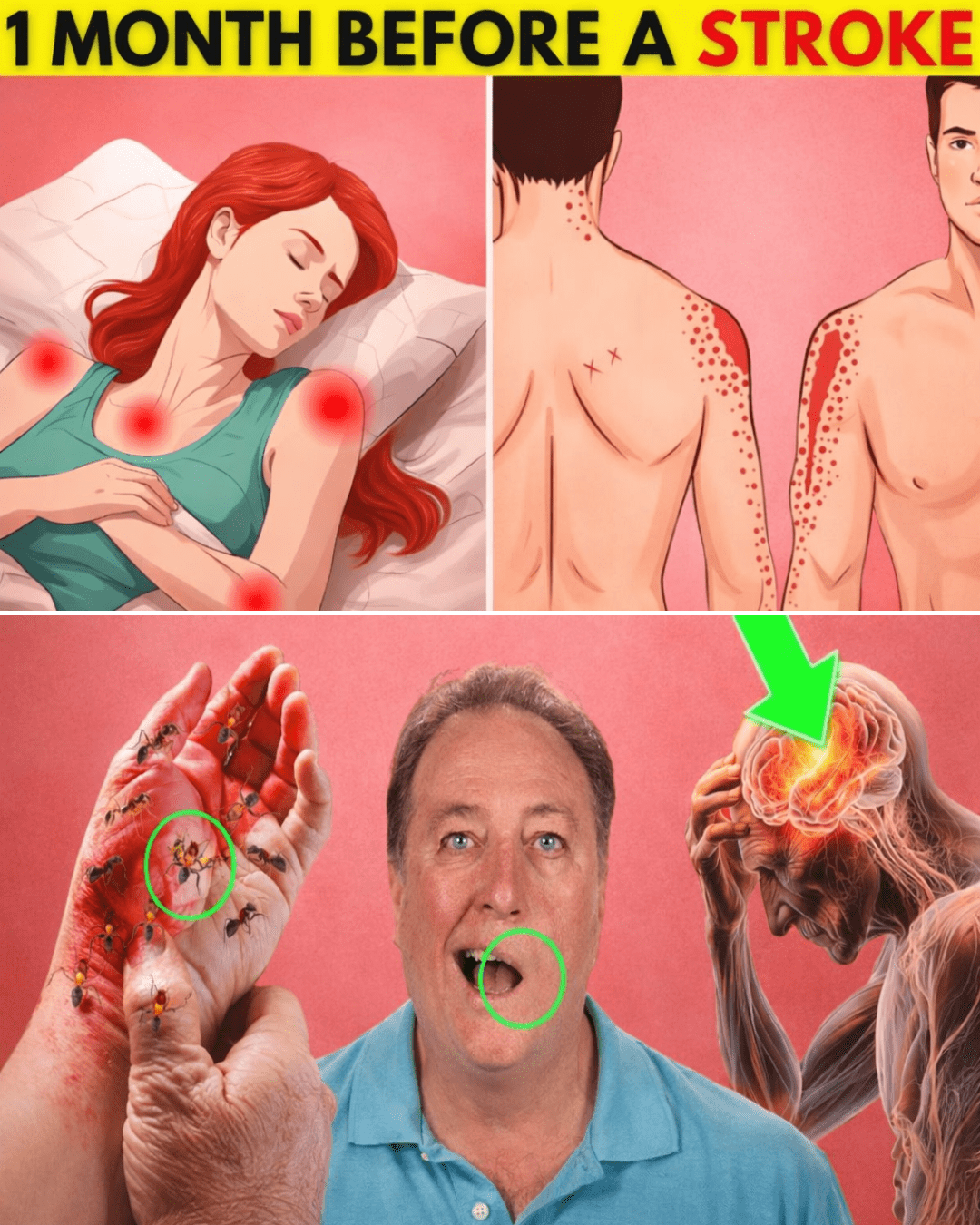
One side of the face may feel heavier or look slightly uneven when smiling in the mirror. This fleeting droop is one of the best-known early signs of stroke, yet it’s frequently missed because it resolves so fast.
Check your reflection if something feels off.

1. Brief “Mini-Episode” Symptoms (TIA-Like)
Short episodes where multiple symptoms—numbness, speech difficulty, vision flicker, or dizziness—occur together and then vanish are often called transient ischemic attacks (TIAs). These mini-episodes are considered the most significant early signs of stroke because they closely mimic a full stroke but resolve quickly.
Many experts view TIAs as critical warnings, with studies showing increased stroke risk in the days and weeks following one.
Why These Early Signs of Stroke Are Often Overlooked
Seniors frequently downplay symptoms because:
- They only happen once or twice
- They disappear quickly
- They seem too mild to be serious
- Daily life feels otherwise normal
This natural tendency to minimize changes is understandable, but patterns of early signs of stroke deserve gentle attention.
How to Stay Aware of Early Signs of Stroke
Building simple habits can help you notice changes without anxiety:
- Pay attention to sudden, unusual sensations that differ from your normal patterns
- Note if similar symptoms repeat over days
- Keep a small notebook or phone note of any odd moments
- Mention recurring changes at your next doctor visit, even if they seem minor
- Trust your instincts—if something feels consistently “off,” speak up
These steps aren’t about self-diagnosis; they’re about informed awareness.
A Real-Life Example of Noticing Early Signs
One 70-year-old man experienced brief hand numbness while gardening, followed by a short episode of slurred speech a few days later. He mentioned both incidents casually during a routine checkup. His doctor ordered tests that revealed a narrowed artery, allowing preventive treatment before a major stroke occurred.
His story highlights how noticing early signs of stroke and sharing them promptly can make a meaningful difference.

Quick Reference: Early Signs of Stroke at a Glance