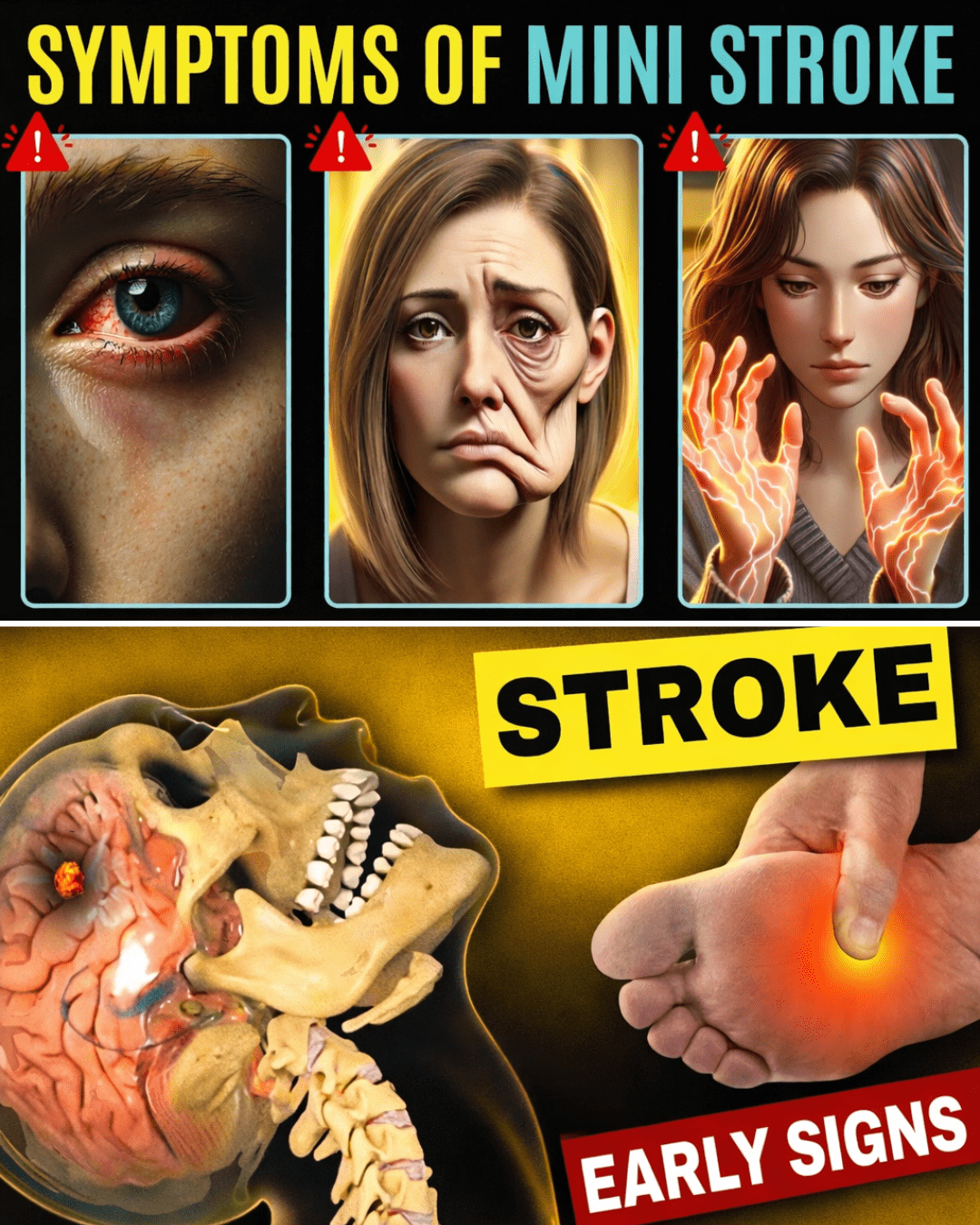
Remembering simple checks helps in moments of concern over sudden symptoms. The FAST method, promoted by the American Stroke Association, covers primary transient ischemic attack and stroke signs:
- Face — Check for drooping.
- Arms — Look for weakness in raising both.
- Speech — Listen for slurring.
- Time — Call emergency services immediately if any appear, even if resolving.
Extended versions like BE FAST include Balance and Eyes for broader coverage.

- Note symptom onset time.
- Seek care urgently, regardless of duration.
- Share details with professionals.
- Follow up for risk assessment.
 Supportive Steps for Brain Health After a Possible TIA
Addressing concerns promptly opens paths to management. Medical guidelines suggest evaluation for underlying factors in transient ischemic attacks.
Habits supporting vascular health include balanced nutrition, regular movement, blood pressure monitoring, and avoiding smoking.
Final Insights on Transient Ischemic Attacks
Spotting potential transient ischemic attack signs early fosters proactive care, potentially aiding long-term well-being. Always prioritize professional guidance for any sudden neurological changes.

Frequently Asked Questions
What distinguishes a TIA from a full stroke?
Symptoms are similar but temporary in TIAs, often resolving within hours, though evaluation remains crucial.
How soon after a possible TIA should I seek help?
Immediately—sources stress urgent assessment to address risks.
Can lifestyle changes influence TIA recurrence?
Managing factors like hypertension supports prevention, per medical recommendations.
This article is for informational purposes only and is not intended as medical advice. Sudden symptoms require immediate emergency care—contact professionals promptly. Consult a healthcare provider for personal concerns.