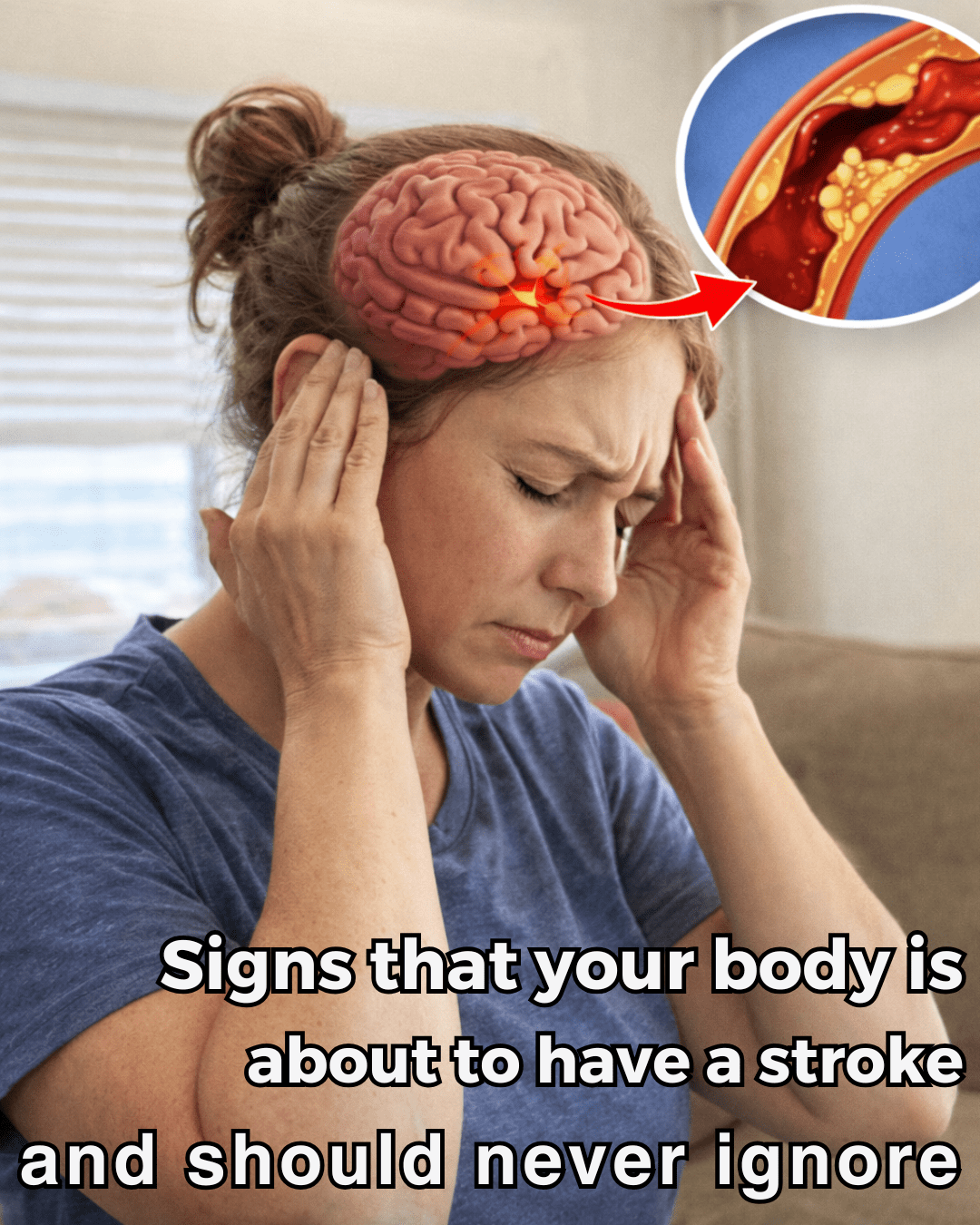
Brief symptoms that resolve quickly could be TIAs, which are often the last chance to prevent a major stroke. Up to 20% of people who experience a TIA will have a full stroke within 90 days if untreated.
Risk Factors That Increase Stroke Likelihood

High blood pressure, diabetes, smoking, and atrial fibrillation all increase the risk of stroke. If you have any of these risk factors, it’s even more important to be aware of stroke symptoms and seek treatment immediately.
Taking Immediate Action Saves Brain Function
Did you know that waiting even 15 minutes can make a huge difference in stroke recovery? Call 911 as soon as you recognize the signs. Hospitals activate stroke teams instantly, significantly improving outcomes.
Empowering Yourself and Others
Recognizing stroke signs doesn’t just protect you — it empowers you to protect your loved ones. Early detection means reduced disability, better quality of life, and even saved lives.
FAQ (Frequently Asked Questions)
Q1: What are the most common signs of stroke?
The most common signs include sudden numbness or weakness, confusion, trouble speaking, vision changes, dizziness, and severe headache.
Q2: How can I differentiate a stroke from a migraine?
A stroke often includes additional symptoms like one-sided weakness, confusion, or difficulty speaking. A migraine typically involves head pain without these additional symptoms.
Q3: Is it always necessary to call 911 for stroke symptoms?
Yes. If you or someone else shows signs of a stroke, calling 911 immediately is crucial for preventing long-term damage.
Disclaimer: This article is for informational purposes only and does not replace professional medical advice. Consult your healthcare provider for personalized guidance.