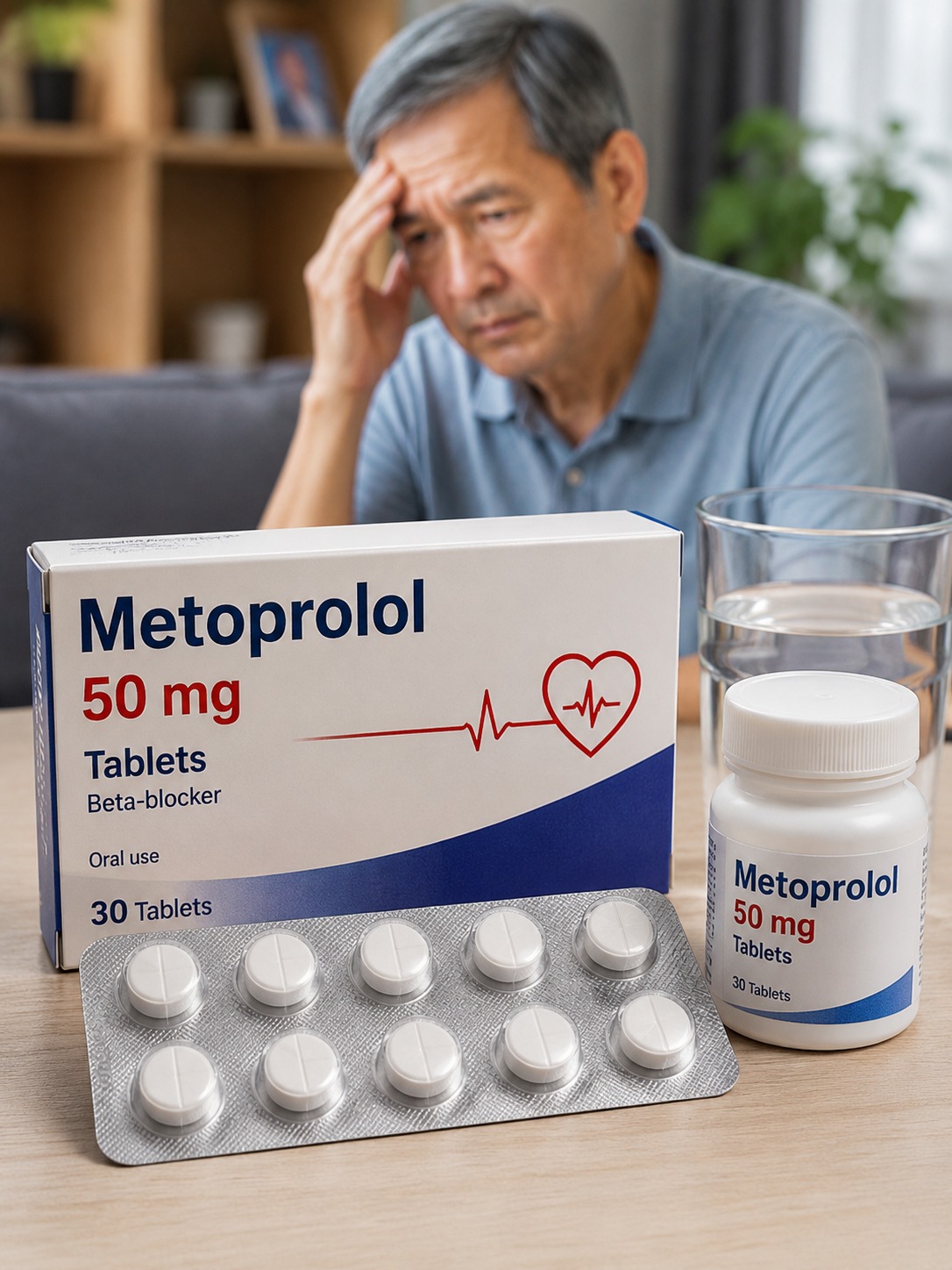
Many find that certain daily choices make a positive difference while taking metoprolol.
- Stay consistent with medication timing — taking it the same way each day helps maintain steady levels.
- Monitor at home — regular checks of blood pressure and heart rate (if recommended) provide useful data for your doctor.
- Eat well — focus on whole foods, fruits, vegetables, and adequate protein.
- Move gently — light exercise like walking or swimming supports circulation without overexertion.
- Limit alcohol and caffeine — both can interact with how you feel on this medication.
These steps are general and work best when tailored to your personal health plan.
But here’s the part many people find eye-opening…
The Surprising Conversation Worth Having With Your Doctor
While side effects are important to understand, many patients discover that open dialogue about their experiences leads to better personalization of care. Some learn about dose adjustments, timing changes, or even alternative options that fit their lifestyle more comfortably. This partnership approach often helps people feel more in control of their health journey.
FAQ
1. Do all people experience side effects from metoprolol? No. Many people tolerate it well with minimal or no noticeable effects. Individual responses vary based on health factors and dosage.
2. How long do side effects typically last? Many common effects improve within a few weeks as the body adjusts. Persistent or concerning symptoms should be discussed with a healthcare provider.
3. Can lifestyle changes reduce side effects? Yes. Habits like staying hydrated, rising slowly, eating balanced meals, and following medical advice often help manage mild effects effectively.