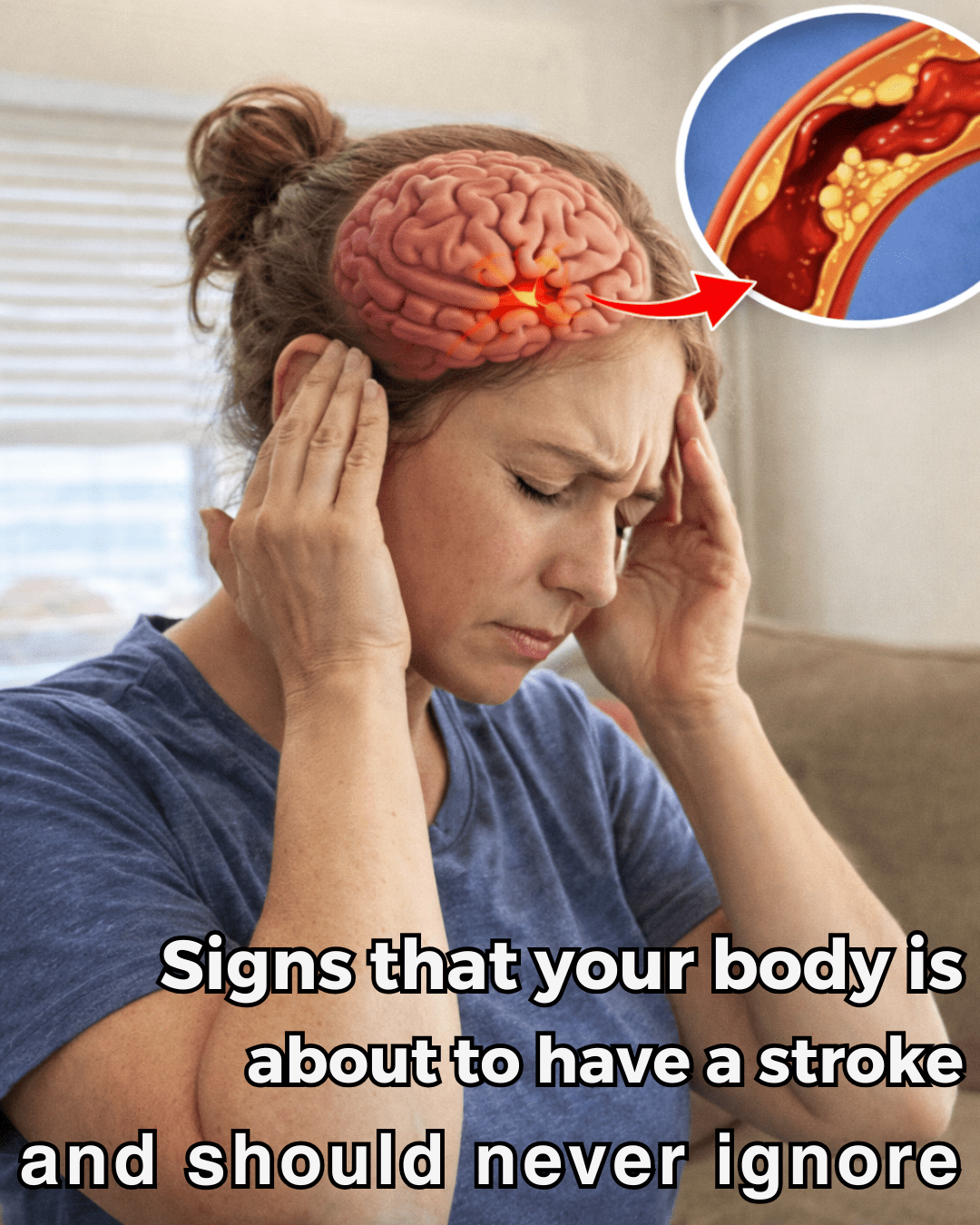
Did you know that someone in the United States has a stroke every 40 seconds? Almost 795,000 Americans suffer a new or recurrent stroke each year, according to the American Heart Association and CDC. Now imagine this: You’re doing something totally ordinary, when suddenly, one side of your face starts to droop, your arm feels weak, or your speech becomes slurred. These may be the terrifying warning signs your body is sending, urging you to take action before it’s too late. How confident are you that you’d recognize a stroke’s early symptoms?
Let’s dive into the signs your body might give you in the hours or days before a stroke – subtle, critical signals that could save your life if caught in time.

The Silent Threat That Strikes Without Warning
Turning 55 often brings unexpected health hurdles. You might experience sudden dizziness, brief numbness in an arm or leg, or struggle to find the right words. But don’t brush it off as stress, a pinched nerve, or just getting older. Stroke is the fifth leading cause of death in the U.S. and can lead to serious long-term disabilities.
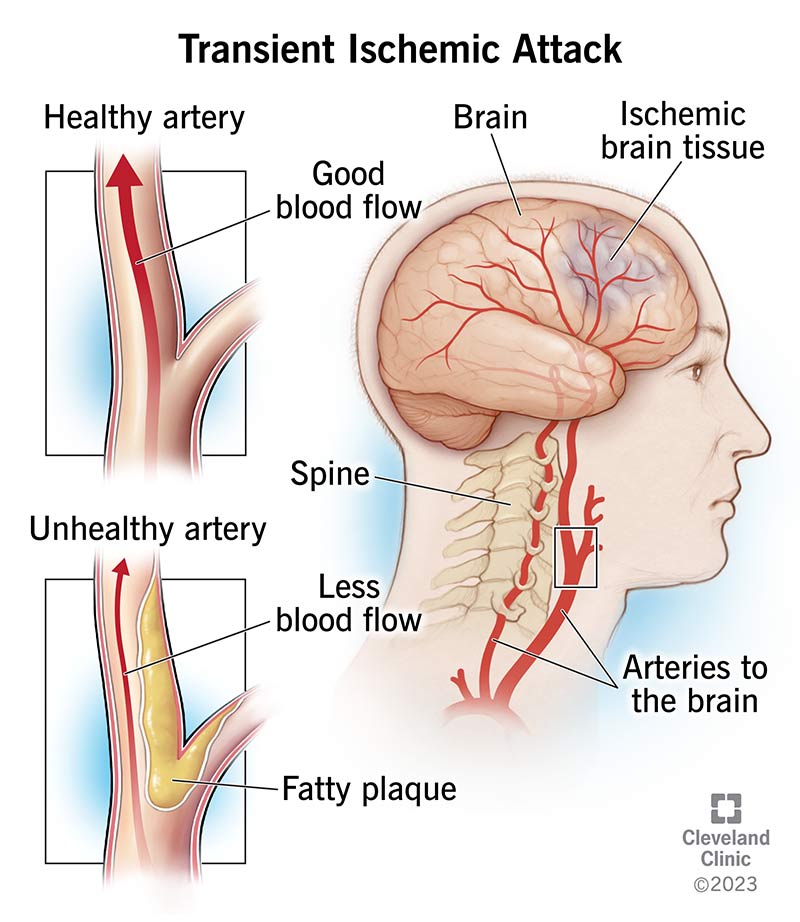
Imagine feeling sudden confusion that passes, but not thinking much of it. This could be a transient ischemic attack (TIA), also known as a mini-stroke. TIAs are often a precursor to a full-blown stroke, and understanding these signs is crucial because every minute counts.
Have you ever experienced something like this, or perhaps noticed it in someone else?
Recognizing these warning signs could be the difference between a full recovery and permanent disability. Stay with us as we uncover the 15 signs your body may give you before a stroke – knowledge that could save your life.
Meet Robert: How Recognizing Early Signs Saved His Life
Robert, a 58-year-old truck driver from Ohio, experienced dizziness and numbness in his left arm one morning while loading his rig. He assumed it was dehydration and continued on his route. Later, his speech slurred for a few seconds and his face felt strange. Fortunately, Robert had read about stroke warning signs before and recognized what was happening. He immediately pulled over and called 911.
Doctors confirmed Robert was having a TIA and found a blockage in his carotid artery. Thanks to his quick action, emergency surgery prevented a full stroke. He now teaches stroke awareness in his community, sharing his life-saving experience.
Rate your own knowledge of stroke warning signs: Are you prepared to act when it matters most?